Every January starts the same way. Big goals, good intentions, and a brief period where everyone believes this is the year it all changes. Then life gets busy, motivation dips, and those carefully planned resolutions quietly disappear. So instead of asking you to try harder, I’m going to teach you about ‘habit stacking’, so you can commit to your New Years Resolutions with far less effort!
Why Most Habits Don’t Stick
We all know habits are hard to make and easy to break. Most health goals require extra time, extra effort, and extra motivation. Unfortunately those three things aren’t in unlimited supply. It is a challenge fitting new routines into days that already feel full. Habit stacking solves this by working with your existing routine, not against it.
What is Habit Stacking?
Habit stacking means adding a new healthy habit onto something you already do regularly. Rather than relying on memory or willpower, you use part of your daily routine as a “cue” — making the habit far more likely to stick.
Think about how your day already runs. You wake up, brush your teeth, make a cup of tea, eat meals, sit down at work, collapse onto the sofa in the evening. None of these require motivation, they just happen. Habit stacking uses these moments as opportunities for healthier behaviour. In summary:
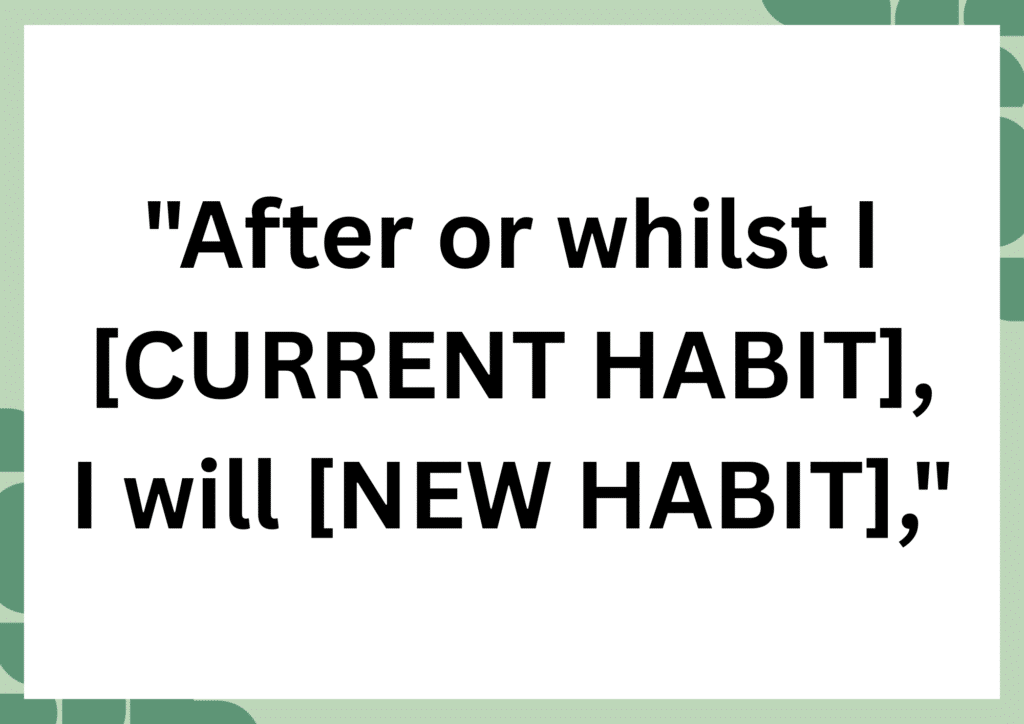
How to Start Habit Stacking
First, decide what new habit you would like to build. Keep it as small and specific as possible. Here are some examples.
“After I clean my teeth, I will take my supplements.”
“After I work for 1 hour, I will do 10 squats.”
“While the kettle is boiling, I will put on my trainers so I can then go for a walk with my flask.”
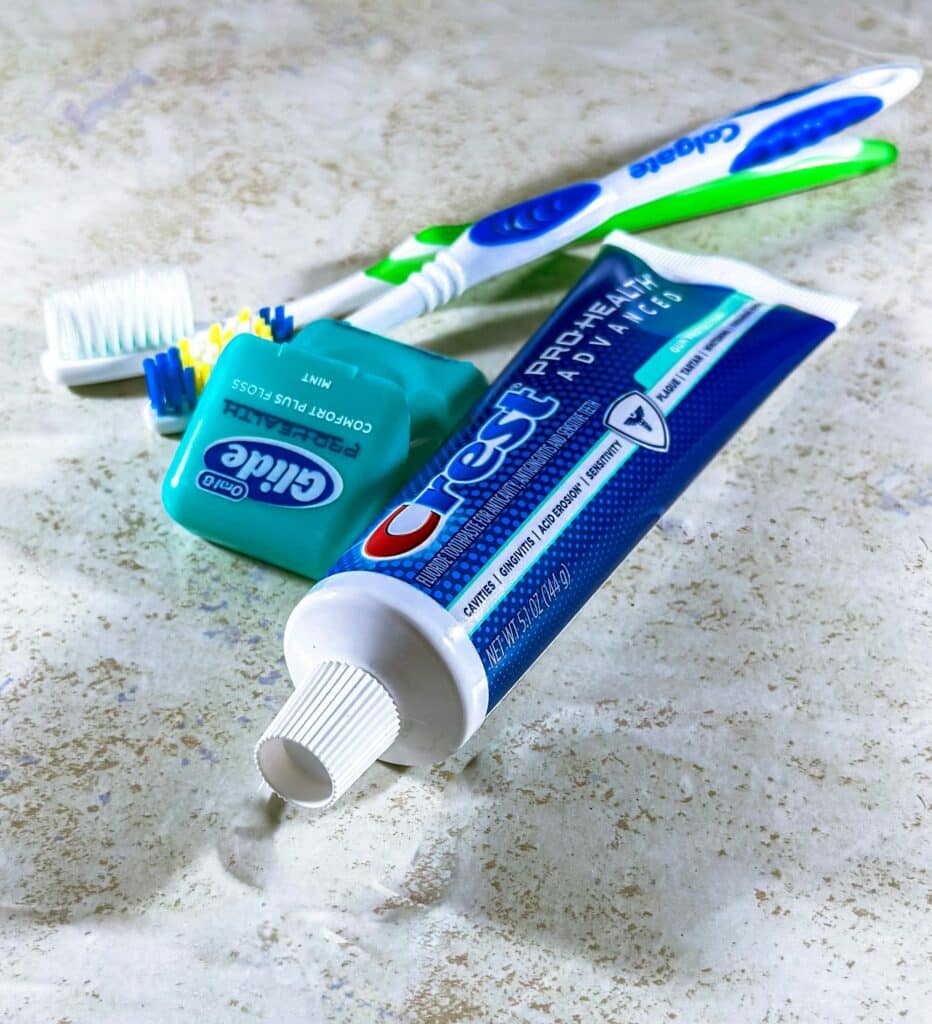
You may also prefer to use visual cues to support habit stacking. For example, putting floss next to your toothbrush makes it harder to forget flossing. Folding your gym clothes on the bed in the morning can prompt you once home from work to get changed and go straight to the gym.
It’s also worth choosing a calmer time in your day. For instance if mornings feel rushed, stack your habit in the afternoon or evening. You can adjust your habit stack to suit any daily routine changes or goal changes.
The Key: Consistency and Small, Specific Goals
If you take one thing from this, let it be this: small habits done often beat big plans done occasionally. For this New Year, choose one small habit that would genuinely help your health, attach it to something you already do regularly, and let the routine do the work.
Be kind to yourself – habits take time. But once it’s established, it’s far more likely to last. And that’s how small changes lead to real results.
PS: Incase you missed it – Learn these 3 breathing techniques to bring calm to your day.
Created Tuesday 16th December 2025